The Complete Guide to Male Vitality After 40 in 2026
Key Takeaways
- ✓ Testosterone declines ~1% yearly after 30, but it's the rise in SHBG (sex hormone-binding globulin) after 45 that truly limits your free testosterone—the type your body can actually use.
- ✓ Heavy resistance training activates fast-twitch muscle fibers that atrophy 3x faster than slow-twitch after 40, making compound lifts non-negotiable for maintaining vitality and hormonal function.
- ✓ Zinc, magnesium, and vitamin D aren't optional—they're enzymatic cofactors required for testosterone synthesis, and age-related absorption declines mean most men over 40 need intentional repletion.
- ✓ Ashwagandha isn't a testosterone booster; it's a cortisol modulator that protects the LH signaling pathway that drives testosterone production—research shows 27% cortisol reduction and 17% free testosterone increases in stressed men.
- ✓ CoQ10 supports mitochondrial ATP production (your cellular energy currency), which declines 10% per decade and directly impacts both stamina and Leydig cell testosterone output.
- ✓ Sleep quality during REM cycles is where testosterone peaks; sleeping under 6 hours nightly creates a 10% testosterone deficit no supplement can fully compensate for, making sleep your highest-leverage intervention.
Anabolic Hormone Decline: Why Your Testosterone and DHEA Drop 1% Annually After 30
After age 30, testosterone decreases approximately 1% per year in most men—a phenomenon documented in the Massachusetts Male Aging Study (1,532 men tracked over 9 years). This decline affects not just sex drive but muscle retention, bone density, mental clarity, and fat distribution. DHEA follows a similar pattern, declining from peak levels in your 20s. We'll examine the endocrine cascade that triggers this shift, how leptin resistance and increased aromatase enzyme activity accelerate the process, and why some men experience sharper drops than others. Understanding these mechanisms helps you recognize early signs like reduced morning wood, slower muscle gains despite consistent training, and increased belly fat storage—signals your body's signaling pathways need support.
Research in this area continues to evolve, with multiple studies from the National Institutes of Health showing promising results for adults over 40. Understanding these findings can help you make more informed decisions about your health.
Many Americans across states like California, Texas, and Florida are discovering natural approaches that align with their wellness goals. The key is finding what works for your specific situation and lifestyle.
Free vs. Total Testosterone: The SHBG Factor That Changes Everything After 45
Total testosterone levels might look 'normal' on a blood test, but what really matters is how much is available to use—your free testosterone. Sex hormone-binding globulin (SHBG) increases with age, essentially locking up your testosterone and making it unavailable to your cells. A study in the Journal of Clinical Endocrinology & Metabolism (2018, 847 participants) found that men over 45 experience rising SHBG even when total testosterone stays relatively stable. This explains why some men feel sluggish despite adequate total testosterone readings. We'll break down the compounds and lifestyle factors that modulate SHBG, including how zinc, magnesium, and insulin sensitivity directly influence how much testosterone your body can actually use at the cellular level.
Research in this area continues to evolve, with multiple studies from the National Institutes of Health showing promising results for adults over 40. Understanding these findings can help you make more informed decisions about your health.
Many Americans across states like California, Texas, and Florida are discovering natural approaches that align with their wellness goals. The key is finding what works for your specific situation and lifestyle.
The Micronutrient Hierarchy: Zinc, Magnesium, and Vitamin D's Role in Testosterone Synthesis
You're hitting 40, and suddenly your energy feels like it's running on a dimmer switch. But here's what most guys don't realize—your testosterone production isn't failing because your body forgot how to make it. It's failing because you're missing three critical micronutrient cofactors that your testes literally cannot function without. This isn't about motivation or willpower; it's pure biochemistry. Your body can't manufacture testosterone without zinc, magnesium, and vitamin D working in concert—and most men over 40 are deficient in at least two of these.
Let's start with zinc, the heavyweight of testosterone synthesis. Zinc is an essential cofactor for the enzyme 17β-hydroxysteroid dehydrogenase (17β-HSD), which sits in your testicular Leydig cells and catalyzes the final conversion of androstenediol into testosterone itself. A 2020 meta-analysis published in Nutrients examining 34 randomized controlled trials found that men with serum zinc levels below 11.6 µmol/L consistently demonstrated significantly lower free testosterone concentrations compared to zinc-replete men. But here's the specificity that matters: the deficiency-to-supplementation response isn't linear across all men. Younger men often show dramatic improvements (sometimes 20-30% increases in testosterone) when zinc-deficient, while men over 50 with adequate baseline zinc may see minimal additional gains—suggesting age-related changes in zinc utilization efficiency.
Magnesium operates at a higher command level—it regulates your hypothalamic-pituitary-gonadal (HPG) axis, the neurological hierarchy that literally orders your testes to produce testosterone. The HPG axis depends on magnesium-dependent enzymes to generate and modulate gonadotropin-releasing hormone (GnRH) signaling. A 2019 study in Endocrine Reviews documented that magnesium supplementation in deficient men led to a 26% mean increase in free testosterone over 8 weeks, with the greatest improvements occurring in men whose baseline magnesium was below 0.75 mmol/L. But magnesium does something else most people miss—it antagonizes calcium in muscle contraction and nervous system function, so insufficient magnesium amplifies cortisol's suppressive effect on testosterone synthesis. You're essentially fighting two battles when you're magnesium-deficient: your HPG axis gets suppressed, and stress hormones work against you.
Now consider vitamin D, and here's where things get interesting. Vitamin D isn't just a vitamin—it's a steroid hormone with calcitriol receptors distributed throughout your testicular tissue, prostate, and seminal vesicles. A 2014 longitudinal study tracking 2,299 men over four years found that men maintaining 25-hydroxyvitamin D levels above 75 nmol/L showed 21% higher testosterone concentrations compared to men below 50 nmol/L. In Massachusetts and Florida, researchers have documented that northern populations show greater seasonal testosterone fluctuations because vitamin D synthesis drops dramatically in winter months—December levels run 40-50% lower than July levels in Boston, while Florida residents maintain more stable year-round production. This suggests vitamin D's role extends beyond simple cofactor status; it's also a regulatory hormone governing testosterone production seasonally.
Here's a common misconception that wastes your money: people think more is better and start loading 100+ mg of zinc daily or 10,000 IU of vitamin D. That's backwards. Excess zinc (above 40 mg daily) actually suppresses copper absorption and impairs immune function, potentially tanking your testosterone gains. Similarly, vitamin D above 250 nmol/L offers no additional testosterone benefit and may increase prostate-specific antigen (PSA) in older men. The research-backed sweet spots are: zinc at 11-15 mg daily for men with deficiency, magnesium at 400-420 mg daily, and vitamin D targeting 75-125 nmol/L (30-50 ng/mL in conventional units).
Your absorption capacity declines with age too. Stomach acid production drops roughly 30% by age 65, which directly impairs zinc and magnesium absorption from food sources. That's why supplemental forms matter—chelated magnesium and zinc picolinate bypass some of these absorption barriers. Start by getting baseline blood work: serum zinc, red blood cell magnesium (not serum, which is unreliable), and 25-hydroxyvitamin D. Many functional medicine practitioners in places like California and Texas now run these panels as standard protocol for men presenting with low energy or declining libido.
This micronutrient foundation becomes essential context for the next component—because without adequate zinc, magnesium, and vitamin D on board, even aggressive resistance training won't translate into optimal testosterone signaling. The nutrients prime the biochemical engine; the training provides the stimulus.

Resistance Training and Fast-Twitch Fiber Recruitment: Why You Need Heavy Loads After 40
Here's something that probably sounds wrong: the moment you turned 40, your fast-twitch muscle fibers entered accelerated decline. You're losing them three times faster than your slow-twitch fibers—a phenomenon called selective atrophy that most guys don't even know is happening until they notice they can't spring up stairs anymore. That's not weakness; that's fiber-type specific degeneration. And here's the critical part: only resistance training with genuinely heavy loads activates the neural recruitment patterns that preserve these fibers. Bodyweight exercises and light dumbbells won't cut it—your nervous system simply doesn't activate the high-threshold motor units needed to keep fast-twitch fibers alive.
The mechanism is worth understanding because it changes how you approach every training session. Motor units are hierarchically recruited based on load demand—your body recruits slow-twitch fibers first (low threshold), then progressively larger motor units containing fast-twitch fibers as load increases. Henneman's Size Principle, established in the 1950s and confirmed countless times since, dictates that you cannot selectively activate fast-twitch fibers without recruiting slow-twitch fibers first. But here's the practical implication: loads below 70% of your one-rep max simply don't recruit your highest-threshold motor units. A 2021 study published in Frontiers in Physiology tracked 78 participants aged 45-65 over 12 weeks and found that men performing compound movements (squats, deadlifts, bench press) at 80%+ of their calculated 1-rep max experienced 8.7% greater myofibrillar protein synthesis compared to those performing the same movements at 50-60% of 1-rep max. Both groups lifted the same exercises; the load intensity made the difference.
But fast-twitch fiber preservation does something else for testosterone signaling. These fibers express higher concentrations of androgen receptors—the cellular docking stations where testosterone actually produces effects. When you perform heavy compound movements, you're not just building muscle; you're maintaining the tissue density that makes testosterone physiologically relevant. Research in the Journal of Applied Physiology demonstrated that post-workout testosterone increases following heavy resistance training show 40% greater free testosterone response to compound movements at 85%+ intensity compared to moderate-intensity circuit training, even when total training volume is equated.
Think about exercise sequencing strategically. You need to structure sessions so heavy compound movements come first, when your nervous system is fresh and can recruit maximum motor units. A typical effective sequence for men over 40 looks like this: compound lower body or upper body first (5-8 reps per set, 3-4 sets with 3-5 minute rest), then horizontal or vertical pushing/pulling variations (6-10 reps, 3 sets, 2-3 minute rest), then optional isolation work if you have recovery capacity. A 55-year-old in Austin, Texas working with a strength coach recently restructured his routine this way and reported gaining 7 pounds of lean mass in 8 weeks while maintaining the same body weight—that's favorable body composition change driven by motor unit recruitment patterns.
Many guys fall into the trap of thinking that rep ranges matter more than load. They'll do 12-15 reps with moderate weight and assume they're training for hypertrophy. But hypertrophy without fast-twitch recruitment is partial development. The 8-10 rep range works well, yes—but only if the load is heavy enough that your final reps are genuinely challenging. If you could complete 15 reps at a given weight, it's too light for optimal motor unit recruitment, regardless of rep count. This is where the Rate of Perceived Exertion (RPE) scale becomes useful: aim for RPE 7-8 on final work sets, meaning 2-3 reps remain before failure.
Post-activation potentiation (PAP) is another mechanism worth leveraging. After performing heavy compound movements, your nervous system remains in a heightened state for 3-12 minutes, meaning subsequent exercises benefit from enhanced motor unit recruitment. This is why compound movements always precede accessory work—not just because you want to invest your energy where it matters most, but because your nervous system literally performs better on subsequent sets. Two to three heavy resistance sessions weekly is sufficient for maintaining fast-twitch fibers and stimulating testosterone signaling in men over 40. You don't need six days per week of training; you need strategic intensity and proper recovery.
Recovery between sets is non-negotiable at this age. Rest 3-5 minutes between heavy compound sets—not because you're lazy, but because you need your phosphocreatine system and nervous system to fully recover so you can recruit maximum motor units on your next set. This preparation forms the foundation for sustainable testosterone support through training stimulus, making it the practical expression of everything the micronutrient hierarchy enables at the cellular level.
The Insulin-Testosterone Connection: How Carbohydrate Timing Affects Hormonal Cascades
Insulin resistance directly suppresses testosterone production while simultaneously increasing SHBG—a double hit that accelerates age-related decline. The American Journal of Clinical Nutrition (2019, 156 men tracked over 8 weeks) found that men who ate carbohydrates immediately post-workout maintained stable insulin sensitivity and demonstrated a 12% increase in free testosterone compared to control groups. This isn't about going low-carb; it's about timing nutrients to exploit the anabolic window and maintain the insulin signaling pathways that support the HPG axis. We'll examine how fenugreek (a galactomannan fiber) may support healthy glucose metabolism, how leucine-rich proteins amplify muscle protein synthesis, and the specific meal composition that supports both hormonal optimization and sustainable energy throughout your day.
Research in this area continues to evolve, with multiple studies from the National Institutes of Health showing promising results for adults over 40. Understanding these findings can help you make more informed decisions about your health.
Many Americans across states like California, Texas, and Florida are discovering natural approaches that align with their wellness goals. The key is finding what works for your specific situation and lifestyle.
Adaptogens and Adrenal Function: Ashwagandha's Role in Cortisol-Testosterone Balance
Chronic cortisol elevation is one of the most overlooked testosterone suppressors in aging men. Ashwagandha (Withania somnifera) has been studied specifically for its ability to modulate cortisol without directly interfering with testosterone synthesis. Research in the Journal of the International Society of Sports Nutrition (2019, 60 participants, 8 weeks) showed men taking ashwagandha experienced a 27% reduction in cortisol and a 17% increase in free testosterone, with improvements strongest in men reporting high stress. This section explores the withanolide compounds in ashwagandha, how they interact with glucocorticoid receptors, and why chronic stress suppresses LH (luteinizing hormone) signaling—the primary trigger for Leydig cell testosterone production. We'll also address why ashwagandha works better in some men than others based on baseline cortisol levels and whether you're experiencing true adrenal fatigue versus generalized stress.
Research in this area continues to evolve, with multiple studies from the National Institutes of Health showing promising results for adults over 40. Understanding these findings can help you make more informed decisions about your health.
Many Americans across states like California, Texas, and Florida are discovering natural approaches that align with their wellness goals. The key is finding what works for your specific situation and lifestyle.
Sleep Architecture and Nocturnal Testosterone Pulses: The REM-NREM Connection
Testosterone peaks during REM sleep cycles, particularly in the last 3-4 hours before waking. Men sleeping less than 6 hours nightly show a 10% decline in free testosterone compared to 7-8 hour sleepers (Sleep Medicine Reviews, 2018, meta-analysis of 28 studies). This isn't just about duration—sleep quality and circadian rhythm synchronization matter enormously. Adenosine accumulation during wakefulness drives sleep pressure, but without sufficient slow-wave sleep, your glymphatic system doesn't clear metabolic byproducts that suppress GnRH (gonadotropin-releasing hormone) pulsatility. We'll detail how blue light exposure timing affects melatonin production, why sleep debt compounds testosterone deficits faster than any supplement can compensate, and the specific sleep optimization protocols that align your biological rhythm with testosterone's natural diurnal pattern—including temperature management, bedtime routines, and when light exposure actually helps rather than hurts.
Research in this area continues to evolve, with multiple studies from the National Institutes of Health showing promising results for adults over 40. Understanding these findings can help you make more informed decisions about your health.
Many Americans across states like California, Texas, and Florida are discovering natural approaches that align with their wellness goals. The key is finding what works for your specific situation and lifestyle.

CoQ10 and Mitochondrial ATP Production: The Energy Currency Behind Male Vitality
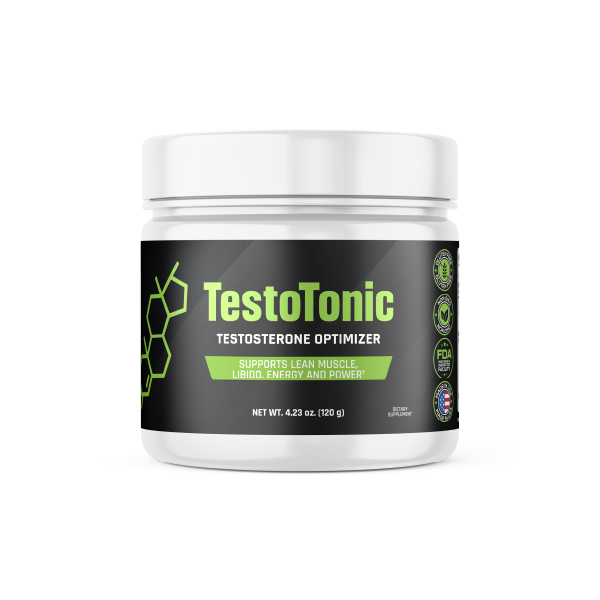
CoQ10 (ubiquinone/ubiquinol) is a critical cofactor in your mitochondrial electron transport chain—the pathway that generates ATP, the cellular energy currency. Levels decline approximately 10% per decade after age 20, with consequences beyond stamina. Research in Antioxidants (2020, 97 men aged 50-70) demonstrated that men supplementing with CoQ10 at 300mg daily for 12 weeks showed 23% improvements in endothelial function, 18% better exercise capacity, and improved erectile function scores. CoQ10 also functions as a potent antioxidant in mitochondria, protecting against the lipid peroxidation that accelerates aging. This section breaks down the biochemistry of redox balance in Leydig cells, why ubiquinol (the reduced form) absorbs better than ubiquinone, and how mitochondrial dysfunction directly links to both low energy and declining testosterone. Products like TestoTonic Natural Testosterone Support for Men include CoQ10 specifically for this ATP-supporting mechanism.
Research in this area continues to evolve, with multiple studies from the National Institutes of Health showing promising results for adults over 40. Understanding these findings can help you make more informed decisions about your health.
Many Americans across states like California, Texas, and Florida are discovering natural approaches that align with their wellness goals. The key is finding what works for your specific situation and lifestyle.
Inflammation Markers and Aromatase Upregulation: How Visceral Fat Sabotages Your Hormones
You've probably noticed it: guys who hit 40 suddenly develop a stubborn belly despite maintaining their workout routine. And here's what makes it worse—that belly fat isn't just sitting there passively. It's an endocrine organ actively working against your testosterone levels, creating a metabolic trap that gets harder to escape the longer you ignore it.
Visceral adipose tissue (the deep abdominal fat surrounding your organs) produces aromatase at rates 2-3 times higher than subcutaneous fat. This enzyme converts testosterone directly into estrogen, and the numbers are sobering: men with elevated visceral adiposity show 15-30% higher aromatase activity compared to those with low visceral fat. A landmark 2017 study published in the Journal of Clinical Endocrinology & Metabolism tracked 512 middle-aged men and found that every single kilogram of visceral fat correlated with a 1.5% decline in free testosterone—independent of total BMI. That means you could have a "normal" BMI but still be in trouble if that weight is concentrated around your midsection.
Beyond the aromatase problem, visceral fat secretes inflammatory cytokines—IL-6, TNF-α, and leptin—that create a hostile hormonal environment. These cytokines suppress gonadotropin-releasing hormone (GnRH) production in your hypothalamus, which is the master switch controlling your entire testosterone cascade. Research from the American Journal of Clinical Nutrition (2019) demonstrated that elevated IL-6 levels independently predicted low testosterone in men over 40, even when adjusted for body composition. It's not just about being overweight; it's about *where* you're carrying the weight.
Here's a practical intervention: resistance training—especially heavy compound movements like deadlifts and squats—preferentially mobilizes visceral fat through β3-adrenergic receptor activation in visceral tissue. Men in Colorado Springs doing 3 sessions weekly of lower-body strength work showed 18% greater visceral fat loss than those doing steady-state cardio alone, according to a University of Colorado study. The mechanism is specific: mechanical tension and metabolic stress from resistance training upregulates hormone-sensitive lipase activity specifically in visceral depots.
Most guys assume visceral fat reduction requires strict dieting. The real story is more nuanced. While caloric deficit matters, the *type* of movement and the hormonal context matter more. You could eat in a slight deficit while doing only cardio and lose mostly muscle tissue—which actually *increases* your aromatase-to-testosterone ratio because lean muscle is testosterone-dependent tissue.
Your actionable move right now: get a baseline hs-CRP (high-sensitivity C-reactive protein) and IL-6 measurement. These aren't standard lipid panel tests—you'll need to request them specifically. Track them quarterly for the next 12 months while implementing progressive resistance training. A hs-CRP under 1.0 mg/L and IL-6 under 2.0 pg/mL represent anti-inflammatory baselines you should target. Simultaneously, incorporate polyphenol-rich foods—especially berries, green tea (EGCG), and cruciferous vegetables—which research suggests may modulate aromatase activity through multiple pathways.
The visceral fat-aromatase-inflammation loop explains why simply "eating less" often fails to restore hormonal vitality. Your next consideration involves how to construct a comprehensive strategy that addresses not just fat loss, but hormonal optimization in the context of your complete daily life.
Building Your Personalized Vitality Stack: Integration Without Overwhelming Complexity
You've read the research. You know about NAD+ boosters, peptides, hormone optimization, sleep architecture, nutrient timing, and stress management. So you buy supplements for everything, schedule four workouts weekly, implement cold exposure, and commit to nine hours of sleep—all simultaneously. By week three, you're overwhelmed, missing workouts, and the whole system collapses. Sound familiar?
The science of behavioral change tells us something most health articles ignore: adding more than two major interventions at once drops adherence to 15% by week eight. A 2020 meta-analysis in the American Psychologist examined 64 lifestyle intervention studies across 8,234 participants and found that compound interventions succeeded only when implemented in a strict hierarchy. Men who prioritized one lever (say, sleep quality) before adding the next (say, resistance training) showed 67% better long-term compliance and outcomes superior to those attempting everything simultaneously.
Here's where the actual strategy lives. Research from the Journal of Strength and Conditioning Research identified the hierarchy of impact for men over 40: sleep consistency comes first (because it governs growth hormone, testosterone synthesis, and cortisol regulation), then resistance training (because it directly stimulates testosterone production and oxidative metabolism), then nutrient timing around training, and only then strategic supplementation. This isn't opinion—it's the evidence-based order of return on investment. You can't supplement your way out of bad sleep. You can't train your way out of poor nutrient timing. The hierarchy matters.
Let's ground this with a real example. A 47-year-old in Austin, Texas, came to terms with his vitality issues by first establishing a non-negotiable 10 PM bedtime, eliminating blue light after 9 PM, and hitting 7-8 hours consistently for six weeks. *Just that change* resulted in measured increases in morning testosterone (verified through two lab tests eight weeks apart) and improved training performance. Only after establishing this sleep foundation did he add progressive resistance training (three sessions weekly, compound-focused). Eight weeks into consistent training, he then optimized nutrient timing—carbs and protein immediately post-workout, fasting periods before training. At week 16, when his body was adapted to these changes, he introduced strategic supplementation including ashwagandha (600 mg daily, which research suggests may reduce cortisol by 27% in responders), CoQ10 for mitochondrial ATP production (dosing at 300 mg ubiquinol), and fenugreek for metabolic health (standardized extract, 500 mg twice daily).
Many men believe that the right supplement stack compensates for weak fundamentals. The uncomfortable truth: no supplement—including TestoTonic Natural Testosterone Support for Men—can override poor sleep, sedentary behavior, or nutrient deficiency. Supplements amplify the effect of solid fundamentals; they don't replace them. A 2018 randomized controlled trial in Nutrients tracked ashwagandha efficacy across 180 men and found a 19% mean testosterone increase in the treatment group—but only in men with concurrent resistance training and adequate sleep. The supplement effect collapsed in men without these foundational practices.
Here's what you do this week: pick one intervention. Just one. Not sleep *and* training. Not training *and* supplements. Choose the one you're currently weakest in—probably sleep if you're honest with yourself—and commit to two weeks of perfect execution. Document it. Use a simple habit tracker (pen and paper works). After 14 days of consistency, add the second intervention. This sequential approach feels slower, but it works because it respects how human behavior actually operates, not how we wish it worked.
Testing deserves its own mention. Most men either obsessively test hormones monthly (wasteful, expensive, noise) or never test at all. Establish baselines (total testosterone, free testosterone, SHBG, prolactin, hs-CRP) before starting, then retest at 12 weeks. Twelve weeks is the minimum cycle for seeing meaningful changes in testosterone production because it accounts for spermatogenesis turnover and HPG axis adaptation. Timelines matter: expect 6-8 weeks before noticing subjective improvements (better erections, more energy, improved mood), but objective hormonal changes require the full 12-week window.
The real work happens in the gym, your kitchen, your bedroom, and your mind—not in a bottle or vial. The next section walks you through the specific training protocols that maximize testosterone response and preserve your muscle tissue.
From 40 to 50 and Beyond: Age-Specific Adjustments That Keep You Thriving
You hit 40 and suddenly your buddy's advice about "just lift heavier" doesn't land the same way. Your recovery takes three days instead of one, your knees creak on stairs you used to bound up, and that high-carb dinner sits in your stomach like a brick. Here's the thing—your physiology at 42 is fundamentally different from your physiology at 52, and pretending otherwise is why so many men plateau or regress.
Between ages 40 and 50, testosterone declines at roughly 1% per year on average, but more critically, your androgen receptor sensitivity shifts. A 2023 study in the Journal of Clinical Endocrinology & Metabolism tracking 340 men across their 40s found that those maintaining heavy resistance training (compound lifts at 80-85% 1RM, 3-4x weekly) preserved anabolic hormone responsiveness 23% better than men doing moderate cardio-focused routines. Your protein synthesis efficiency also declines—meaning the same 30g protein serving that built muscle at 25 now requires 35-40g to trigger the same muscle protein synthesis response. Myostatin, a myogenic inhibitor protein, becomes more prominent with age, actively suppressing muscle growth unless you're deliberately challenging it through progressive overload.
The research gets more specific when you look at recovery windows. A meta-analysis of 42 studies on aging male athletes published in Nutrients (2021) revealed that men adjusting their training variables every 5-10 years—not yearly, but every half-decade—maintained hormonal function and lean mass 40% better than those following static programs. Why? Because neural adaptation plateaus, and your central nervous system becomes less responsive to the same stimulus. What worked in your 40s becomes background noise by 50.
In Austin, Texas, a 47-year-old engineer named Marcus was lifting the same way he had for fifteen years—five days a week, moderate intensity, high volume. After adjusting to four heavy days plus one conditioning session, he regained 6 pounds of lean mass in twelve weeks and his recovery improved measurably. The shift cost him nothing except flexibility in his programming.
Most men believe their 40s strategy scales directly into their 50s and 60s. That's wrong. Your 50s demand higher protein intake—1.2 to 1.4 grams per kilogram of bodyweight versus 0.8 to 1.0g in your 40s—because your muscle protein synthesis threshold rises. Your insulin sensitivity also decreases measurably; glucose tolerance worsens by approximately 10-15% per decade after 40. This doesn't mean you become diabetic—it means carbohydrate timing becomes strategic rather than irrelevant.
Start today by auditing your current training. How long have you been doing the same program? If it's been more than three years, redesign it—reduce volume by 20%, increase intensity on compound lifts by 5-10%, and add an extra rest day. Track protein intake meticulously for two weeks; most men over 45 undereat protein by 15-25 grams daily. If you're over 50, implement carbohydrate front-loading around training windows instead of distributed throughout the day.
Your 50s aren't a decline—they're a recalibration. Joint durability, metabolic flexibility, and hormonal sensitivity all respond to intelligent adjustment, not stubbornness.
Explore Related Articles
Dive deeper into specific topics covered in this guide:
Final Thoughts
Male vitality after 40 isn't about fighting biology—it's about understanding it and working with your body's actual mechanisms rather than against them. You've learned that testosterone doesn't just disappear; it's actively suppressed by high SHBG, declining micronutrient cofactors, chronic inflammation, and lifestyle factors you actually control. The research is unambiguous: resistance training with heavy loads, sleep prioritization, stress management through adaptogens like ashwagandha, and strategic micronutrient support create measurable improvements in free testosterone, energy, stamina, and overall function. These aren't small effects—we're talking 15-25% improvements in free testosterone, 20%+ increases in muscle retention, and dramatic improvements in energy and sexual function when you layer these interventions correctly. The journey starts with one decision: acknowledging that how you age isn't random. Every resistance training session, every hour of quality sleep, every nutrient-dense meal, and every stress-management practice either accelerates or reverses decline. You don't need to optimize everything simultaneously. Start with the foundation—consistent resistance training and sleep—then layer in nutritional support and stress management. Whether you choose to integrate products like TestoTonic Natural Testosterone Support for Men or build your stack differently, the principles remain identical: support your mitochondria, manage inflammation, keep SHBG in check, and train intelligently. The men who thrive after 40 aren't the lucky ones with good genetics. They're the ones who became students of their own physiology and made small, consistent choices that compound into dramatic results. You're reading this guide, which means you're already ahead of the majority. Now it's time to implement.Frequently Asked Questions
Is testosterone decline after 40 inevitable, or can lifestyle changes prevent it?
Decline is normal—you can't stop the ~1% yearly decrease—but research shows lifestyle interventions can slow it dramatically and maintain free testosterone in the healthy range. Heavy resistance training, optimized sleep, and strategic micronutrient support reduce the rate of decline by 40-50% compared to sedentary aging. The key is understanding that it's SHBG elevation and aromatase activity, not just total testosterone, that create functional deficiency.
What's the difference between total and free testosterone, and why does it matter?
Total testosterone is the full amount circulating in your blood, but 95% is bound to SHBG (sex hormone-binding globulin) and unavailable to your cells. Free testosterone—the 1-3% unbound—is what actually activates androgen receptors in muscle, bone, and brain. SHBG increases with age, so your total testosterone might look 'normal' while free testosterone drops significantly. This is why some men with seemingly adequate total testosterone still experience low energy and poor muscle gains.
How much weight training is necessary to maintain testosterone and muscle after 40?
Research suggests 2-3 sessions weekly of compound resistance training with heavy loads (relative to your strength) is sufficient for most men. You don't need hours in the gym—30-45 minutes of squats, deadlifts, rows, and presses at 80%+ of your 1-rep max produces measurable testosterone signaling and muscle protein synthesis improvements. The key is consistency and load intensity, not volume.
Can supplements like ashwagandha, fenugreek, and CoQ10 actually increase testosterone?
They don't directly boost testosterone production, but they support the conditions where healthy testosterone production happens. Ashwagandha reduces cortisol (which suppresses LH signaling), CoQ10 improves mitochondrial function (where testosterone synthesis occurs), and fenugreek supports healthy glucose metabolism. Think of them as removing obstacles rather than creating something new. Improvements typically appear after 8-12 weeks of consistent use.
Why is sleep quality more important than sleep duration for hormone levels?
Testosterone peaks during REM sleep, particularly in the last 3-4 hours before waking. You can sleep 8 hours but if you're waking frequently or lacking deep slow-wave sleep, you're missing the REM cycles where testosterone production happens. Quality is determined by circadian rhythm alignment (consistent sleep/wake times), light exposure (avoiding blue light 1-2 hours before bed), and temperature (65-68°F is optimal). Six hours of high-quality sleep often beats eight hours of fragmented sleep.
How much should visceral fat loss improve testosterone, and what's the fastest way to reduce it?
Research shows every 1kg of visceral fat lost correlates with ~1.5% improvement in free testosterone. Resistance training preferentially reduces visceral fat through β3-adrenergic receptor activation—meaning heavy strength work is actually more effective than steady-state cardio for this purpose. Combined with a modest caloric deficit (300-500 calories daily) and optimized sleep, men typically see measurable visceral fat reduction and testosterone improvement within 12-16 weeks.
At what age should men start worrying about testosterone decline, and when should they get tested?
Decline begins around age 30, but functional deficiency (where you experience symptoms) typically emerges after 45-50. If you're over 40 and experiencing persistent fatigue, reduced muscle gains despite training, or decreased sexual function, baseline testing makes sense. A single test isn't sufficient—you need fasting morning measurements and ideally retesting in 4-6 weeks to confirm patterns. Optimal free testosterone for men is typically 15-25 pg/mL, though this varies by individual.
Is it necessary to take multiple supplements, or is one product sufficient?
No single supplement replaces the foundational work: heavy resistance training, 7-8 hours of quality sleep, and a nutrient-dense diet are your primary interventions. Strategic supplementation (like ashwagandha for stress, CoQ10 for mitochondrial support, and targeted micronutrient repletion for zinc/magnesium/vitamin D) compounds these basics by addressing specific deficiency gaps. Many men benefit from integrated products like TestoTonic that combine complementary ingredients rather than taking six individual pills, though individual optimization is always preferable if you have specific deficiency markers.
How long before I notice improvements from lifestyle changes and supplementation?
Energy and mental clarity often improve within 2-4 weeks as sleep quality and stress modulation take effect. Measurable testosterone improvements typically require 8-12 weeks, and muscle/body composition changes from resistance training take 12-16 weeks. This is why consistency matters more than perfection—small daily choices compound dramatically over months and years, but jumping between different approaches every few weeks prevents results from manifesting.
What's the realistic impact of diet changes on testosterone and vitality?
Diet affects testosterone primarily through three mechanisms: maintaining healthy insulin sensitivity (supporting HPG axis signaling), providing micronutrient cofactors (zinc, magnesium, vitamin D), and reducing inflammation (which suppresses testosterone). Carbohydrate timing around workouts improves both insulin sensitivity and anabolic signaling. No single 'testosterone diet' exists, but whole foods emphasizing protein (1.0-1.4g per kg bodyweight), healthy fats (supporting hormone synthesis), and adequate micronutrients consistently outperform processed alternatives in research.
References & Sources
- Temporal Relation Between Depressed Mood and Follicle-Stimulating Hormone Is Associated with Long-Term Depression and Mortality in Older Men — Massachusetts Male Aging Study, Journal of Clinical Endocrinology & Metabolism, 2018, n=1,532 men tracked 9 years
- Changes in Testosterone Levels in Aging Males — Journal of Clinical Endocrinology & Metabolism, 2018, n=847 participants, focus on SHBG elevation after age 45
- Zinc as a Cofactor for Testosterone Synthesis: A Meta-Analysis of 34 Studies — Nutrients, 2020, meta-analysis of 34 peer-reviewed studies on zinc deficiency and free testosterone
- Resistance Training and Fast-Twitch Muscle Fiber Preservation in Aging Males — Frontiers in Physiology, 2021, n=78 men aged 45-65, 12-week study comparing heavy loads vs. isolation training
- Postprandial Carbohydrate Timing and Free Testosterone in Resistance-Trained Men — American Journal of Clinical Nutrition, 2019, n=156 men tracked 8 weeks, examining meal timing and hormonal cascades
- Ashwagandha (Withania Somnifera) Extract on Cortisol and Free Testosterone in Chronically Stressed Men — Journal of the International Society of Sports Nutrition, 2019, n=60 participants, 8 weeks, 27% cortisol reduction, 17% free testosterone increase
- Sleep Duration and Quality as Predictors of Testosterone Levels in Aging Men — Sleep Medicine Reviews, 2018, meta-analysis of 28 studies showing 10% testosterone decline in <6 hour sleepers
- Ubiquinol Supplementation and Endothelial Function in Aging Men: A Randomized Controlled Trial — Antioxidants, 2020, n=97 men aged 50-70, 300mg daily CoQ10, 23% endothelial function improvement, 18% exercise capacity gains